
Pokémon Card Guides
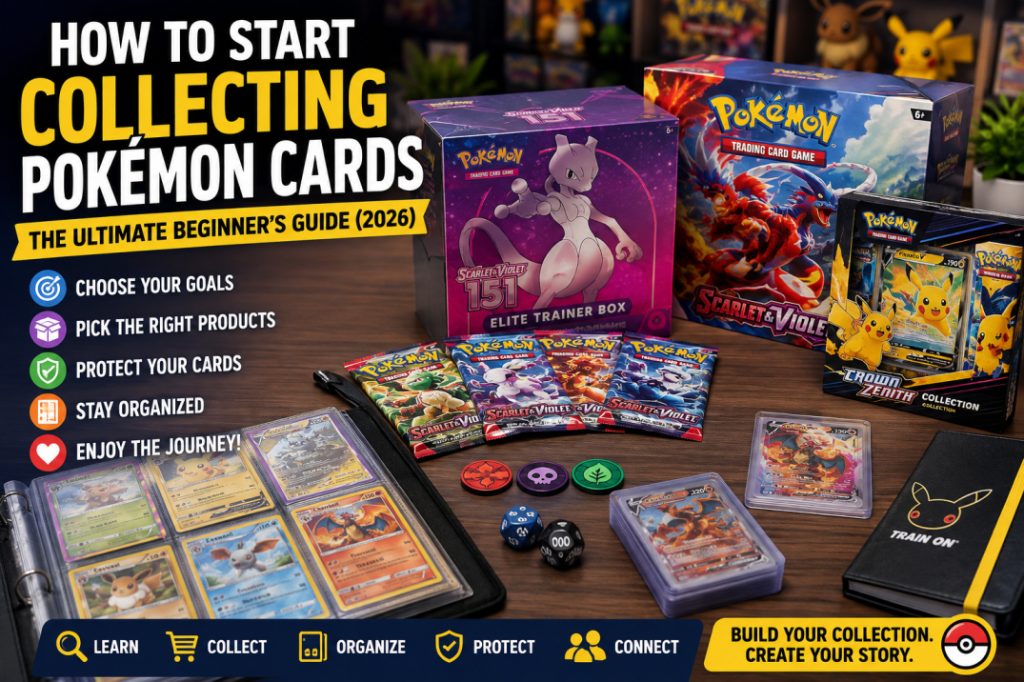
How to Start Collecting Pokémon Cards: The Ultimate Beginner’s Guide (2026)
Aug
The Pokémon Trading Card Game (TCG) has grown into one of the world’s most popular hobbies. Millions of people collect Pokémon cards for different reasons, including nostalgia, competitive play, artwork, and long-term collecting. Whether you’re buying your very first booster pack or returning to the hobby after many years, getting started can feel overwhelming.
With hundreds of expansions, thousands of individual cards, and dozens of different products available, many beginners wonder where to begin. Should you buy booster packs or sealed products? Is it better to collect your favorite Pokémon or complete entire sets? How much should you spend when you’re just starting out?
The good news is that you don’t need an enormous budget or years of experience to build a collection you’ll enjoy. The most successful collectors begin with a clear plan, learn the basics of the hobby, and gradually expand their collections over time.
This guide explains everything you need to know about how to start collecting Pokémon cards in 2026. You’ll learn how to choose the right products, avoid common beginner mistakes, set realistic goals, and build a collection that matches your interests and budget.
Why Pokémon Card Collecting Is More Popular Than Ever
Pokémon has remained one of the most recognizable entertainment brands in the world for nearly three decades. Every new video game, animated series, and trading card expansion introduces new fans to the hobby while longtime collectors continue searching for rare and memorable cards.
Today’s collectors include:
- Children opening their first packs
- Parents collecting with their families
- Competitive tournament players
- Casual hobbyists
- Long-term collectors
- Investors focused on premium cards
Because the community is so diverse, there is no single “correct” way to collect Pokémon cards. The best collection is one that reflects your personal interests and collecting goals.
Decide What Type of Collector You Want to Be
Before buying your first products, take a few minutes to decide what you hope to accomplish.
Having a clear goal helps you spend your money wisely and prevents impulse purchases that don’t fit your collection.
Set Collector
Set collectors work toward completing an entire expansion.
For example, they may try to collect every card released in a specific Scarlet & Violet expansion, including reverse holo and special rarity cards.
This style of collecting rewards patience and organization.
Favorite Pokémon Collector
Many collectors focus only on Pokémon they love.
Popular choices include:
- Pikachu
- Charizard
- Eevee
- Umbreon
- Gengar
- Lugia
- Mew
- Rayquaza
Rather than chasing every card released each year, these collectors build highly personal collections centered on their favorite characters.
Competitive Player
Some people collect cards primarily to build decks for official Pokémon TCG matches.
These collectors often prioritize playable cards instead of expensive collectibles. Strong Trainer cards, Item cards, and tournament staples usually become more important than artwork alone.
Artwork Collector
Modern Pokémon cards feature artwork created by talented artists from around the world.
Artwork collectors often purchase cards because they appreciate the illustration, regardless of rarity or market value.
Special Illustration Rare cards have become especially popular for this reason.
Long-Term Collector
Some collectors enjoy preserving cards for years without worrying about short-term price changes.
Their goal is to slowly build a meaningful collection while enjoying each new expansion as it releases.
Learn the Different Pokémon Products
One reason beginners become confused is the large number of products available.
Each product is designed for a different type of collector.
Understanding what each one offers helps you make better purchasing decisions.
Booster Packs
Booster packs contain a random assortment of cards from one expansion.
Opening packs is exciting because every pack offers the possibility of finding rare and valuable cards.
However, randomness also means you may receive duplicate cards.
Booster packs are excellent for collectors who enjoy surprises.
Boster Boxes
Booster Boxes contain multiple booster packs from the same expansion.
They are one of the most popular purchases among experienced collectors because they provide more opportunities to pull higher-rarity cards while helping build a larger collection from a single set.
If you enjoy opening packs regularly, Booster Boxes usually provide better overall value than purchasing individual packs one at a time.
Elite Trainer Boxes
Elite Trainer Boxes are designed for both collectors and players.
Most include:
- Multiple booster packs
- Card sleeves
- Energy cards
- Dice
- Damage counters
- Player’s guide
- Collector storage box
Because everything is packaged together, they are often recommended for beginners who want an all-in-one introduction to the Pokémon TCG.
Collection Boxes
Collection Boxes appeal to collectors who enjoy exclusive promotional cards.
Depending on the product, they may include:
- Exclusive promo cards
- Oversized display cards
- Booster packs
- Pins
- Coins
- Figures
These products also make excellent gifts for Pokémon fans.
Individual Cards
Buying individual cards allows collectors to purchase exactly what they need.
Instead of opening dozens of packs searching for one specific Pokémon, many experienced collectors simply purchase the card directly.
This approach saves both time and money when completing collections.
Set a Budget Before You Buy
One of the easiest mistakes beginners make is spending too much during their first few weeks.
The excitement of opening packs can quickly lead to impulse buying.
Instead, establish a monthly collecting budget.
For example:
- Casual collector: $25–$75 per month
- Hobby collector: $100–$250 per month
- Dedicated collector: $300+ per month
A budget helps you enjoy the hobby without feeling pressured to buy every new release.
Remember that collecting Pokémon cards should remain fun rather than stressful.
Learn How Card Rarities Work
Understanding rarity makes collecting much more enjoyable.
Every Pokémon expansion contains different rarity levels.
These include:
- Common
- Uncommon
- Rare
- Holo Rare
- Double Rare
- Ultra Rare
- Illustration Rare
- Special Illustration Rare
- Hyper Rare
Knowing these rarity levels helps you recognize exciting pulls while understanding why certain cards are more difficult to obtain than others.
Rarity also helps collectors organize their binders and determine which cards deserve extra protection.
Buy Authentic Products
As Pokémon collecting continues to grow, counterfeit cards have become more common.
Fake cards often feature:
- Blurry artwork
- Incorrect colors
- Thin cardstock
- Poor-quality printing
- Misspelled text
Buying from trusted retailers greatly reduces the risk of receiving counterfeit products.
If an offer appears unbelievably cheap compared to current market prices, take extra time to verify the seller before purchasing.
Authentic cards provide long-term collecting enjoyment and maintain significantly better resale value than counterfeit copies.
Protect Your Collection from the Beginning
Many beginners wait until they own expensive cards before purchasing protective supplies.
Unfortunately, even inexpensive cards can become valuable years later if they remain in excellent condition.
Good habits established early will help preserve your collection.
Basic protection includes:
- Soft card sleeves
- Top loaders
- Ringless binders
- Storage boxes
- Clean, dry storage conditions
Avoid leaving cards in direct sunlight, humid environments, or loose piles where corners can become damaged.
Proper storage helps maintain both appearance and long-term value.
Organize Your Collection Early
A well-organized collection is easier to enjoy and expand.
Some collectors organize by:
- Expansion
- Pokédex number
- Pokémon type
- Favorite Pokémon
- Card rarity
- Release year
Choose a system that makes sense to you and remain consistent.
As your collection grows, staying organized will save countless hours when searching for specific cards.
Should You Collect English or Japanese Pokémon Cards?
One of the first decisions many collectors face is whether to focus on English cards, Japanese cards, or both.
For collectors in the United States, English cards are the most common choice because they’re tournament legal in local events, widely available, and easier to trade or sell domestically. However, Japanese cards have become increasingly popular thanks to their exceptional print quality, earlier release dates, and exclusive artwork.
English Pokémon Cards
English cards are ideal if you want to:
- Complete English-language sets
- Participate in local tournaments
- Trade with other U.S. collectors
- Build collections that match most North American releases
Japanese Pokémon Cards
Japanese cards appeal to collectors who appreciate:
- Superior print quality
- Vibrant colors
- Crisp textures
- Earlier access to new expansions
- Japan-exclusive promotional releases
Some collectors build separate English and Japanese collections, while others simply buy whichever version they enjoy the most.
There isn’t a right or wrong choice. The best option depends on your collecting goals.
Should Beginners Buy Graded Cards?
Professional grading has become a major part of the Pokémon hobby.
A graded card has been inspected for authenticity and condition before being sealed inside a protective holder with a numerical grade.
Buying graded cards offers several advantages:
- Verified authenticity
- Professional condition assessment
- Long-term protection
- Easier resale
- Greater buyer confidence
However, beginners don’t need to purchase graded cards immediately.
Many collectors start by enjoying raw cards before investing in professionally graded examples of their favorite Pokémon.
As your experience grows, you’ll better understand which cards deserve professional grading.
Learn to Recognize Valuable Cards
One of the most exciting moments in Pokémon collecting is discovering that you’ve pulled a valuable card.
While rarity plays an important role, it isn’t the only factor affecting value.
Cards often become desirable because of:
- Popular Pokémon
- Beautiful artwork
- Tournament playability
- Limited print runs
- Excellent condition
- Collector demand
For example, a card featuring Charizard or Umbreon may command a higher price than another card with the same rarity because of the Pokémon’s popularity.
Learning to identify these factors helps you make smarter collecting decisions.
Avoid These Common Beginner Mistakes
Every collector makes mistakes, especially during the early stages of the hobby.
Fortunately, many of these mistakes are easy to avoid.
Buying Too Quickly
Excitement often leads new collectors to purchase products without researching them first.
Instead, spend time learning about current sets before making major purchases.
Ignoring Card Protection
Leaving valuable cards unprotected can quickly result in scratches, bent corners, or other damage.
Always sleeve cards you want to keep in excellent condition.
Chasing Every Release
The Pokémon Company releases multiple products every year.
Trying to buy everything usually becomes expensive and overwhelming.
Focus on products that match your collecting goals.
Buying From Unverified Sellers
Counterfeit products continue to circulate online.
Always research sellers before making expensive purchases.
Comparing Your Collection to Others
Social media often highlights rare pulls and expensive collections.
Remember that collecting is a personal hobby.
Build a collection that makes you happy rather than trying to compete with others.
Join the Pokémon Community
One of the best parts of collecting Pokémon cards is becoming part of a global community.
Connecting with other collectors allows you to:
- Learn about new releases
- Share your favorite cards
- Trade duplicates
- Discover collecting tips
- Stay informed about upcoming products
Many local game stores also host Pokémon events where collectors can meet others who share the same interests.
Participating in the community often makes the hobby even more rewarding.
Keep Track of Your Collection
As your collection grows, it becomes increasingly helpful to maintain an inventory.
Many collectors use:
- Collection apps
- Spreadsheets
- Binder checklists
- Digital photo libraries
Tracking your collection helps you:
- Avoid duplicate purchases
- Monitor card values
- Complete expansion sets
- Locate specific cards quickly
Good organization becomes especially valuable once your collection reaches several hundred cards.
Focus on Enjoyment, Not Just Value
It’s easy to become focused on prices and investment potential.
However, the most successful collectors usually build collections they genuinely enjoy.
Some people collect every Pikachu card ever printed.
Others complete full expansion sets.
Many simply appreciate the artwork.
There is no wrong way to collect Pokémon cards.
When your collection reflects your personal interests, every new addition becomes more meaningful regardless of its market value.
How Your Collection May Evolve
Most collectors discover that their interests change over time.
You may begin by opening booster packs but later enjoy purchasing individual cards.
You might start collecting every Pokémon before eventually focusing only on legendary Pokémon or vintage sets.
This evolution is completely normal.
Allow your collection to grow naturally instead of forcing yourself into one specific collecting style.
The hobby offers endless possibilities, which is one of the reasons Pokémon remains so popular after nearly thirty years.
Final Thoughts
Learning how to start collecting Pokémon cards doesn’t require expert knowledge or a large budget. What matters most is understanding the basics, setting realistic goals, and collecting in a way that brings you enjoyment.
Whether you prefer opening booster packs, completing expansion sets, collecting your favorite Pokémon, or building a long-term collection, patience and consistency are your greatest tools. As your knowledge grows, you’ll make smarter purchasing decisions, recognize valuable cards more easily, and develop a collection that reflects your own interests.
Remember that every experienced collector started with a single card. Over time, those small beginnings often grow into collections filled with memories, favorite Pokémon, and exciting discoveries.
The Pokémon Trading Card Game continues to evolve with every new expansion, making 2026 an exciting time to join one of the world’s most welcoming collecting communities.
Frequently Asked Questions
1. What is the best way to start collecting Pokémon cards?
Start by deciding what you want to collect, setting a budget, learning card rarities, and purchasing authentic products from reputable retailers.
2. Should beginners buy booster packs or Booster Boxes?
Booster packs are great for casual collecting, while Booster Boxes generally provide better value if you plan to open multiple packs from the same expansion.
3. Are Pokémon cards a good investment?
Some Pokémon cards increase in value over time, but collecting should primarily be about enjoying the hobby rather than expecting guaranteed financial returns.
4. What Pokémon products are best for beginners?
Many beginners start with Elite Trainer Boxes because they include booster packs and useful collecting accessories in one package.
5. How do I know if my Pokémon cards are valuable?
A card’s value depends on factors such as rarity, condition, artwork, popularity, and market demand.
6. Should I collect English or Japanese Pokémon cards?
English cards are ideal for most U.S. collectors, while Japanese cards are known for outstanding print quality and exclusive releases.
7. When should I sleeve my Pokémon cards?
You should protect valuable or favorite cards immediately after opening them to help prevent scratches, bending, and other damage.
8. Is it better to buy individual cards or sealed products?
Both approaches have advantages. Sealed products offer the excitement of opening packs, while individual cards let you purchase exactly what you want.
9. How much should a beginner spend on Pokémon cards?
Choose a monthly budget that fits your finances. Many new collectors begin with $25 to $75 per month and increase their spending as their interest grows.
10. Can I build a great collection on a small budget?
Absolutely. A meaningful Pokémon collection is built through consistency and personal enjoyment, not simply by spending the most money.
